Almost every pin enquiry we receive starts with a logo file and a delivery date, and almost none of them start with a manufacturing method. That is understandable, and it is also backwards, because the method decides what the logo can look like once it is twenty five millimetres wide and made of metal. This guide works through the choices in the order a factory actually makes them, so you can specify custom pin designs that arrive looking like the drawing.
The First Fork: How the Colour Is Held
Two methods dominate, and everything else is a variation on one of them.
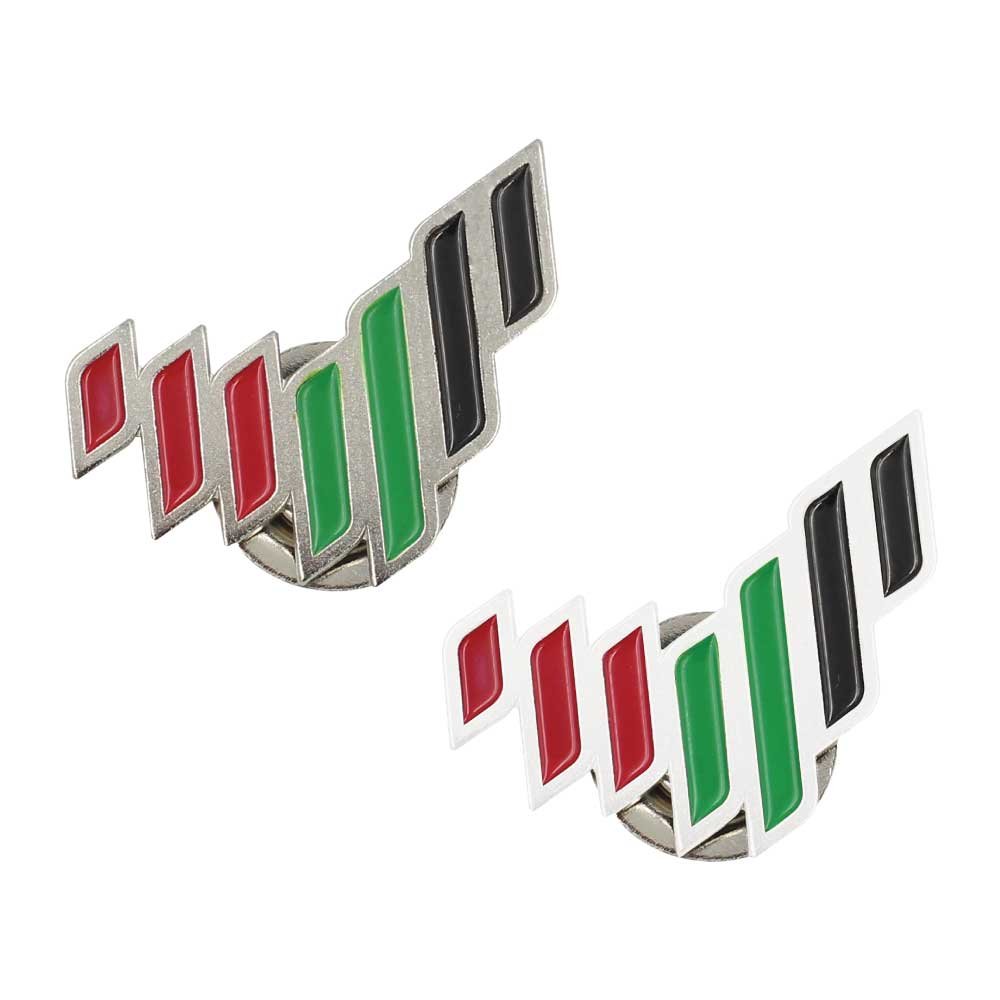
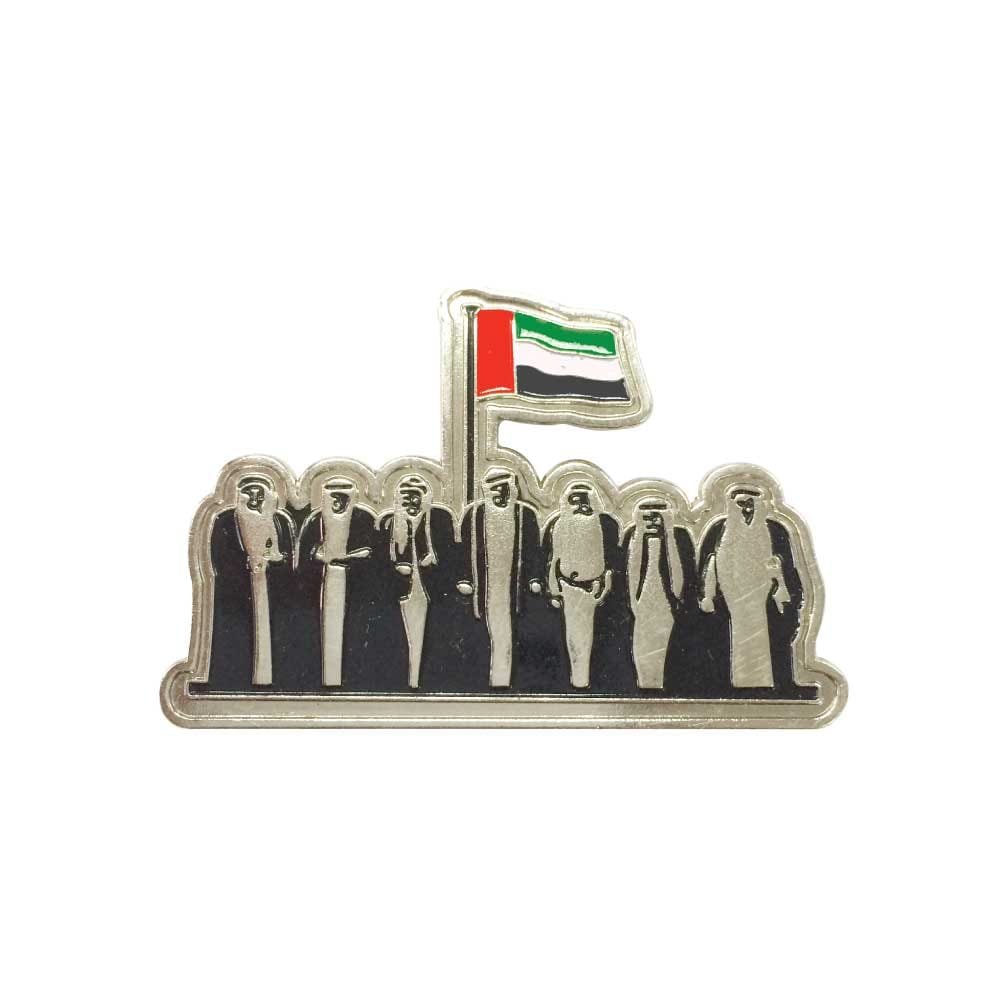
Soft enamel pins badges are stamped so that raised metal lines separate recessed wells of colour. Run a thumb across one and you feel every line. The texture photographs beautifully, the cost is the lowest of any coloured pin, and the recessed surface is slightly more prone to catching dirt over years of wear.
Custom hard enamel pins are filled higher, then ground and polished until colour and metal sit in one flat plane. The result reads as jewellery rather than merchandise. It costs more, takes longer, and it is what board level recognition programmes and government orders almost always end up choosing once they have seen both side by side.
When Neither Enamel Works
Metal lines cannot hold a gradient, a photograph or six point type. If the artwork contains any of those, enamel is the wrong process and no amount of tooling will fix it.
Screen printed pins solve it by printing the artwork onto a flat metal face and protecting it under a clear resin dome. Custom offset pins use the same idea at a finer resolution, which is where detailed illustrations and multi tone artwork end up. Custom uv pins cure the printed surface under ultraviolet light until it is hard enough to survive without a dome, giving a flatter and more contemporary look.
Adding Depth: Moulded and Cast Pins
Custom 3d lapel pins are struck from a sculpted die, so the surface rises and falls like a coin rather than sitting flat. Faces, buildings, animals and architectural marks all benefit, because the shadow does the work that a colour fill would otherwise have to do.
3d custom pins are frequently produced with no enamel at all. A polished relief in gold or silver tone reads as more expensive than the same design filled with colour, and it costs less to produce because there is no fill stage.
Custom die cast pins are poured into a mould instead of being stamped from sheet. That allows undercuts, variable thickness and shapes a press could never release. They are heavier in the hand, and for commemorative and milestone pieces that weight is a deliberate part of the specification.
Base Metal and Plating
The base metal is chosen for detail and for cost, and the plating is chosen for appearance and for how long it has to last.
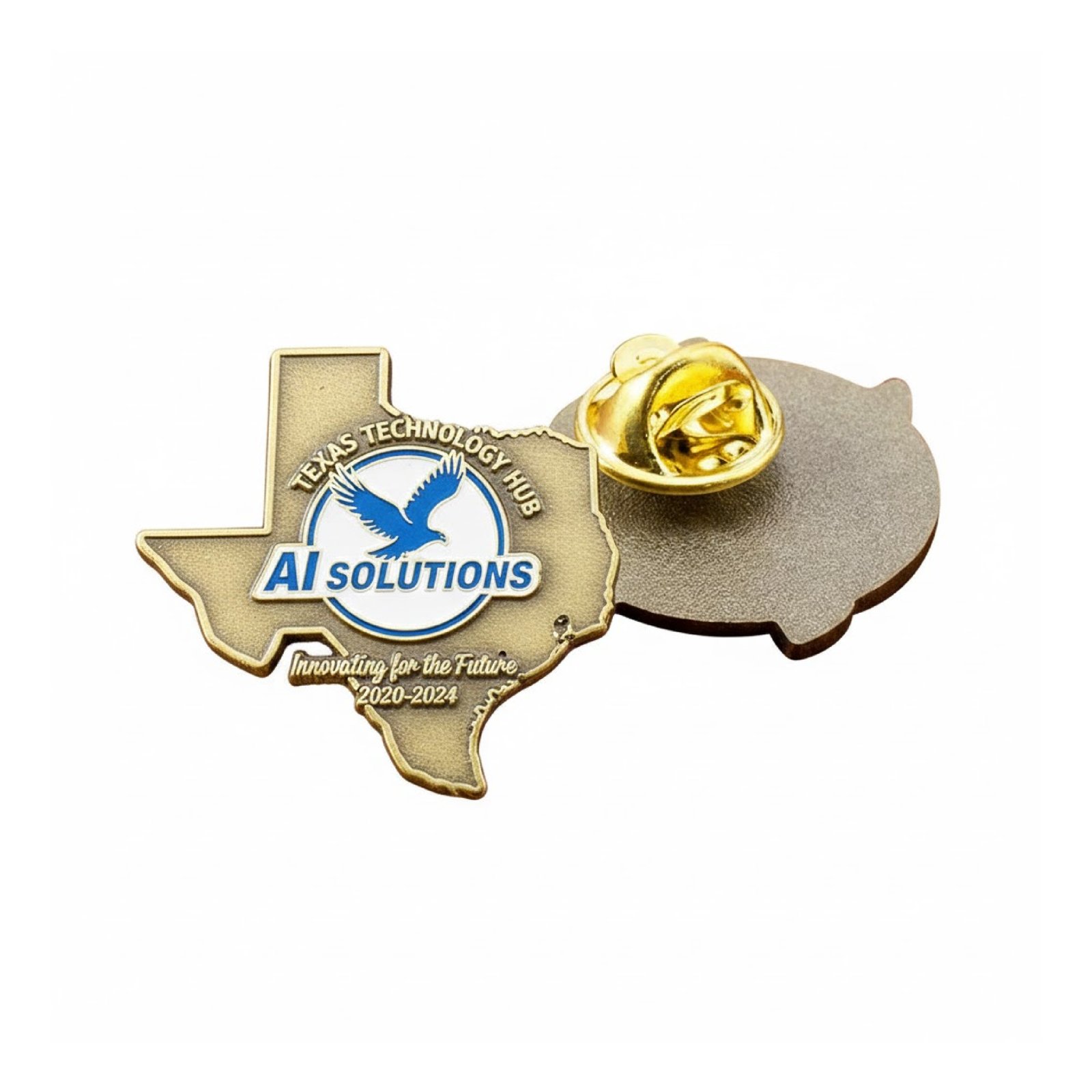
Brass pins are the default for enamel work. Brass takes a crisp strike, holds fine lines and plates evenly, which is why almost every quality pin starts as brass. Iron badges bring the unit price down considerably and are the right answer for a conference giveaway produced in thousands and worn for one day, which is the volume where wholesale lapel pins pricing starts to apply.
Stainless steel badges need no plating to protect them, so there is nothing to wear through. On a uniform worn daily in Gulf humidity, that matters more than any other property, and it is why hospitality and healthcare uniforms across the UAE tend to specify steel.
Choosing a Plating Finish
Gold plating carries the most seniority and is standard for retirement, milestone and executive pieces. Silver plating is the neutral finish that sits under any brand palette without competing with it. Nickel plating gives a similar cool tone at a working budget and wears extremely well, which is why it dominates staff and event pins produced in volume.
Copper plating behaves differently from all three because it is expected to change. It darkens and develops a patina with handling, and heritage, anniversary and craft brands choose it precisely for that. Where the same programme also issues an award, the crystal awards page covers those pieces.
Fittings Follow the Garment
The back of the pin is decided by what it will be pushed through, and getting this wrong is the most common reason a pin is never worn twice.
Custom hat pins need a longer post and a secure locking or rubber back, because cap fabric is several times thicker than a suit lapel. Custom baseball pins follow the trading tradition, which means they are ordered as sets and designed to sit together on a board or a bag rather than alone. Pins that clip rather than pierce are covered on the magnet attachment badges page, since some uniforms forbid a pin post entirely.
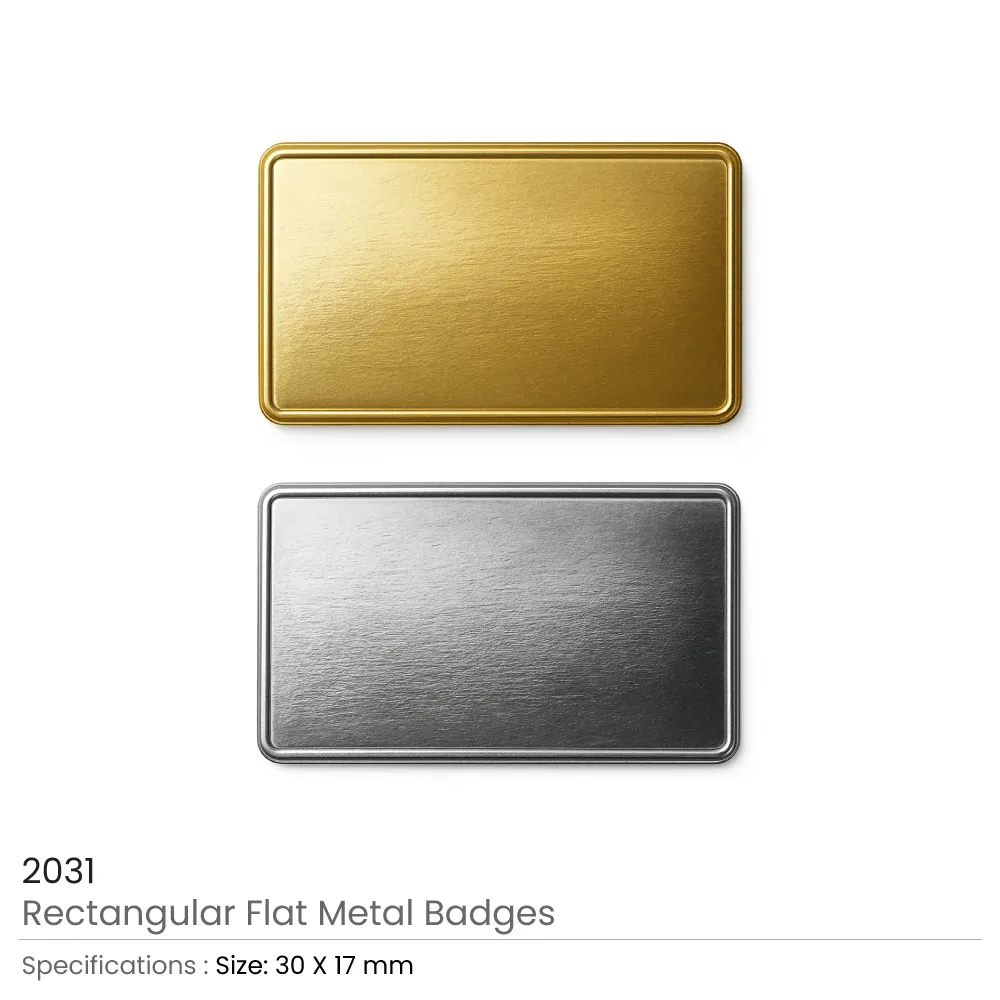
Custom suit pins stay small, sit flat and are finished smooth on the reverse. Anything rough on the back will mark the cloth, and on a tailored jacket that is noticed immediately. Where the requirement is a flat identification plate instead of an emblem, a metal badge with custom logo is the closer fit.
Getting a Sample Before You Commit
Working as an enamel pin badges maker rather than a reseller means tooling, sampling and production sit in one line, and a problem found at sample stage costs nothing to fix. Buyers comparing metal pin manufacturers uae wide should treat a physical sample as non negotiable, whatever the quoted price, because a rendering cannot show you how a colour sits against a plating or how heavy a pin feels. Event passes needing a cord and a holder instead sit on the printed lanyards page.
Bring the artwork early, redraw it for the finished size rather than scaling it down, and expect to simplify. A mark that works on a business card frequently loses its smallest details in metal, and the right response is a cleaner design rather than a bigger pin. National day runs and staff schemes that need a flag emblem are covered on our employee recognition pins page.