
"The first thing a visitor reads, at the distance they read it."
Reception signage sits at eye level under controlled lighting, which is why every edge and fixing shows. We produce acrylic, metal and dimensional reception signs along with the meeting room, cabin and directory signage that should match them.
Corporate office reception desks, law firm partner offices, medical practice consultation rooms, government department offices, hotel front desk and concierge stations, bank branch manager desks, real estate agency offices, educational institution administrators, hospital ward stations, consulting firm executive suites, accounting practice offices, and any professional business requiring employee identification across Dubai, Abu Dhabi, Sharjah, and all UAE.
Your quote request has been submitted successfully.
We'll get back to you within 24 hours.
Reception signage is the first thing a visitor reads and the last thing most companies specify properly. It sits at eye level, under controlled lighting, at conversational distance, which means every edge and fixing is visible.
Corporate reception signage usually carries the wordmark alone, since a strapline at that distance reads as clutter rather than as messaging.
Acrylic reception signage mounts cut letters or a panel on standoffs, holding the piece a few millimetres off the wall so it casts a soft shadow.
3d reception signage builds the same mark in depth, and in a lobby with a glass frontage the depth is what stops the sign disappearing against daylight.
Metal reception signage in brushed stainless or bronze reads more formally, and it suits legal, financial and government interiors where acrylic looks temporary.
Meeting room signage names each room and often shows occupancy, and the mounting height matters more than the design, since a sign at door handle height is never read.
Cabin signage identifies individual offices, and a floor where every cabin sign matches in size and typeface looks planned rather than accumulated.
Directory signage lists departments or tenants at the entrance, and the format has to allow for changes, because a directory that cannot be updated is replaced within a year.
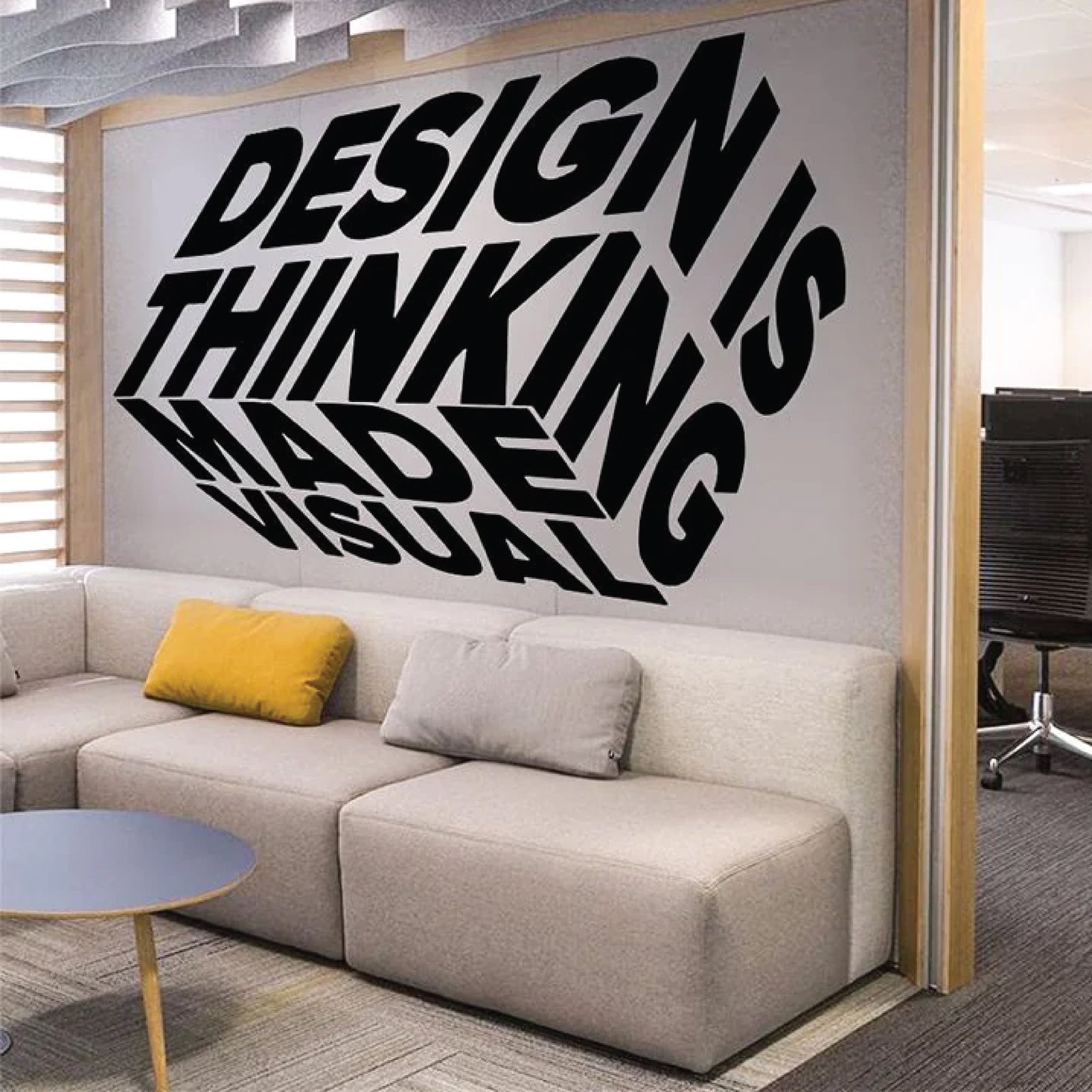
Office wall signage covers everything else, from values printed on a wall to a departmental mark, and specifying the whole floor at once is what keeps it coherent.
Reception signage is usually ordered alone and then followed six months later by meeting room and cabin signs from a different supplier, which is how a floor ends up with three typefaces and two mounting heights.
Specifying the whole floor at once costs less per sign and removes that problem entirely. It also fixes the mounting height as a standard, and a corridor where every sign sits at the same height reads as designed rather than assembled.
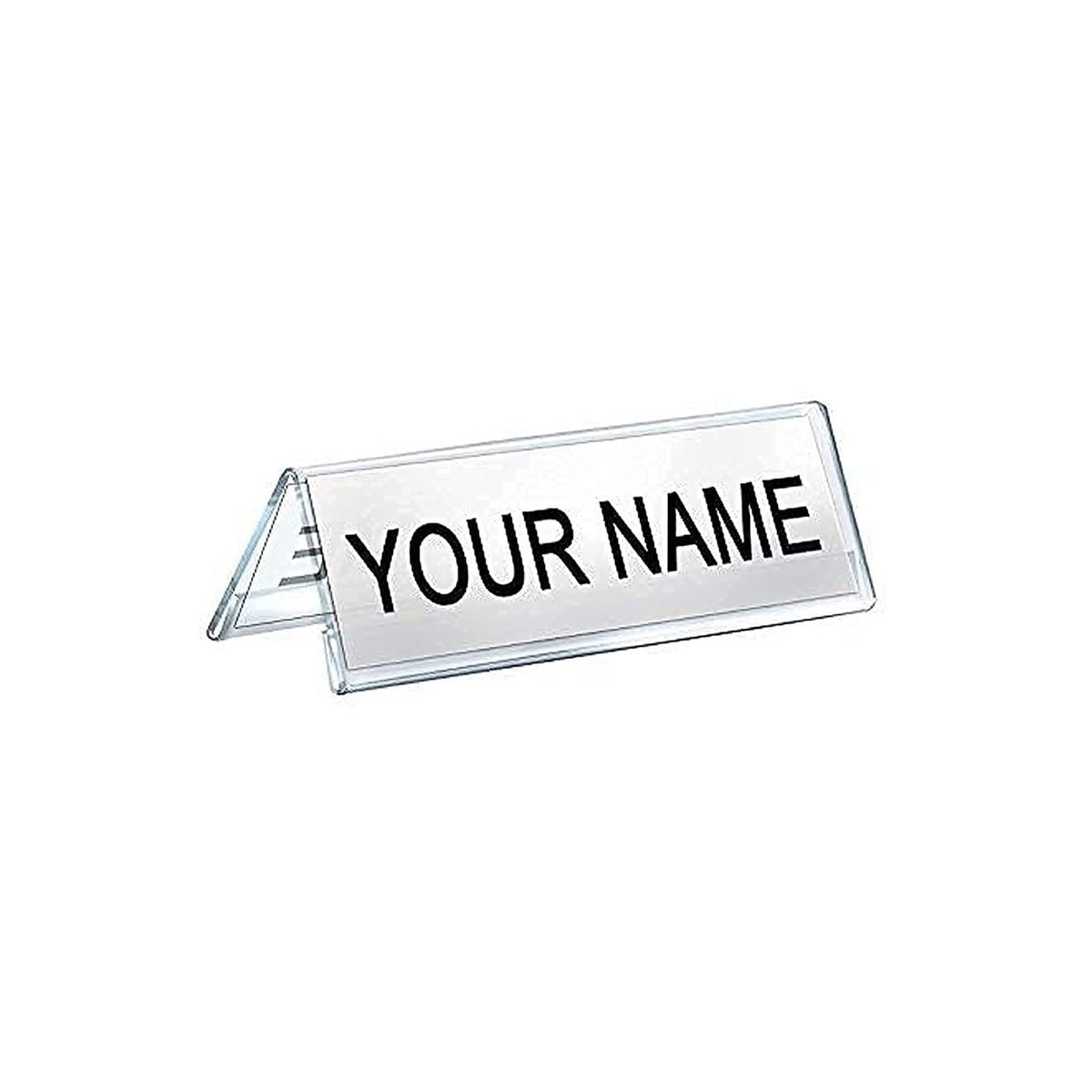
Room names change more often than anyone plans for. Building the sign as a frame with a replaceable insert means a name change costs a printed slip rather than a new sign.
Office directory signs Dubai buildings use are usually a slotted aluminium frame with changeable inserts, so a tenant change does not mean replacing the whole board.
Acrylic on standoffs is the default because it suits almost every interior and photographs well for the company's own marketing.
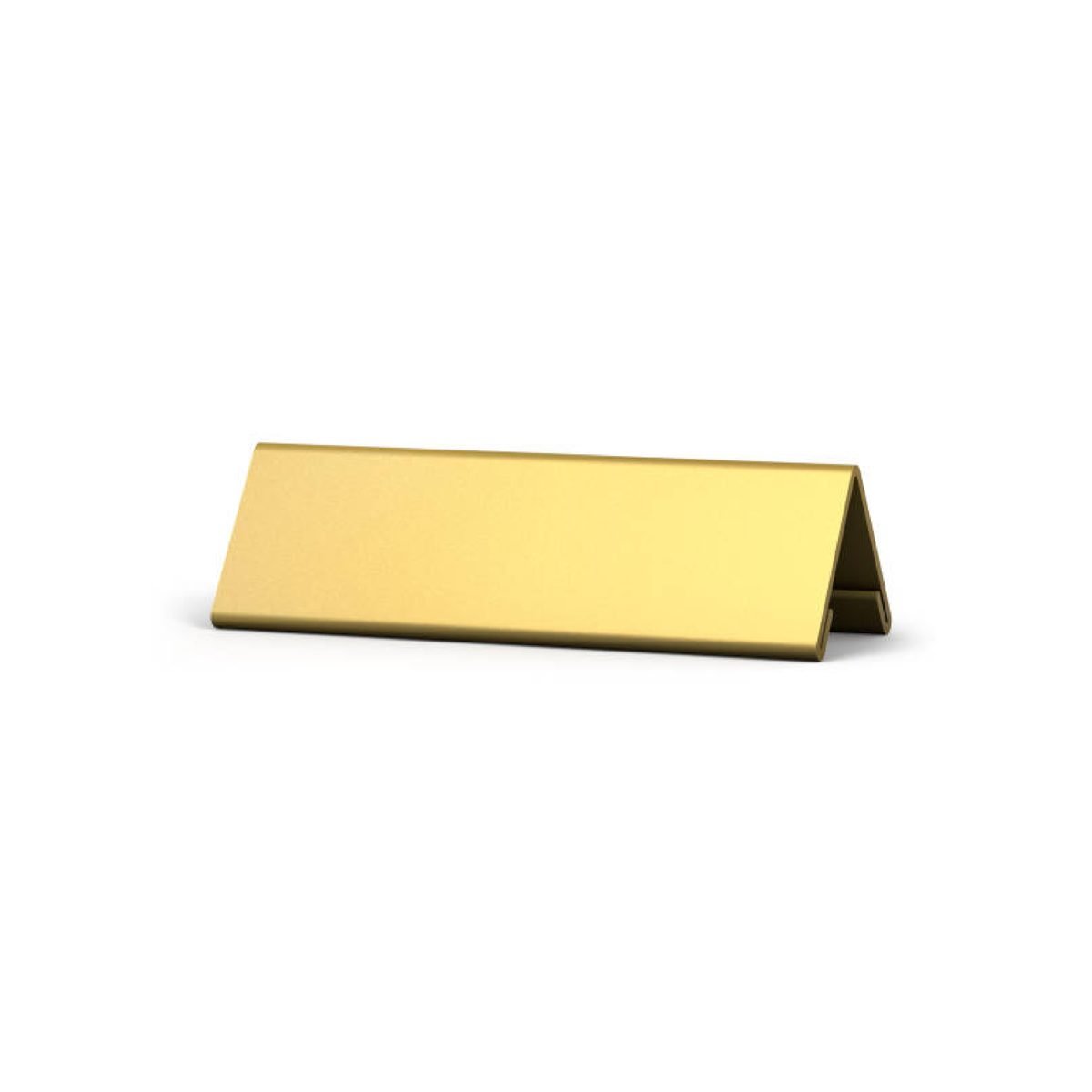
Brushed stainless reads cooler and more formal, and it holds up in a lobby where hands touch the wall beside the lift. Bronze and copper age visibly, which some brands want and others discover too late.
Timber suits hospitality and heritage interiors, though it moves with humidity, so it belongs on an internal wall rather than beside a door that opens to outside air.
We produce in Dubai and install across the Emirates, and the survey happens before the quote so the fixing is priced for the actual wall rather than assumed.